<< English entry below >>
日本がワールドカップで優勝する理由
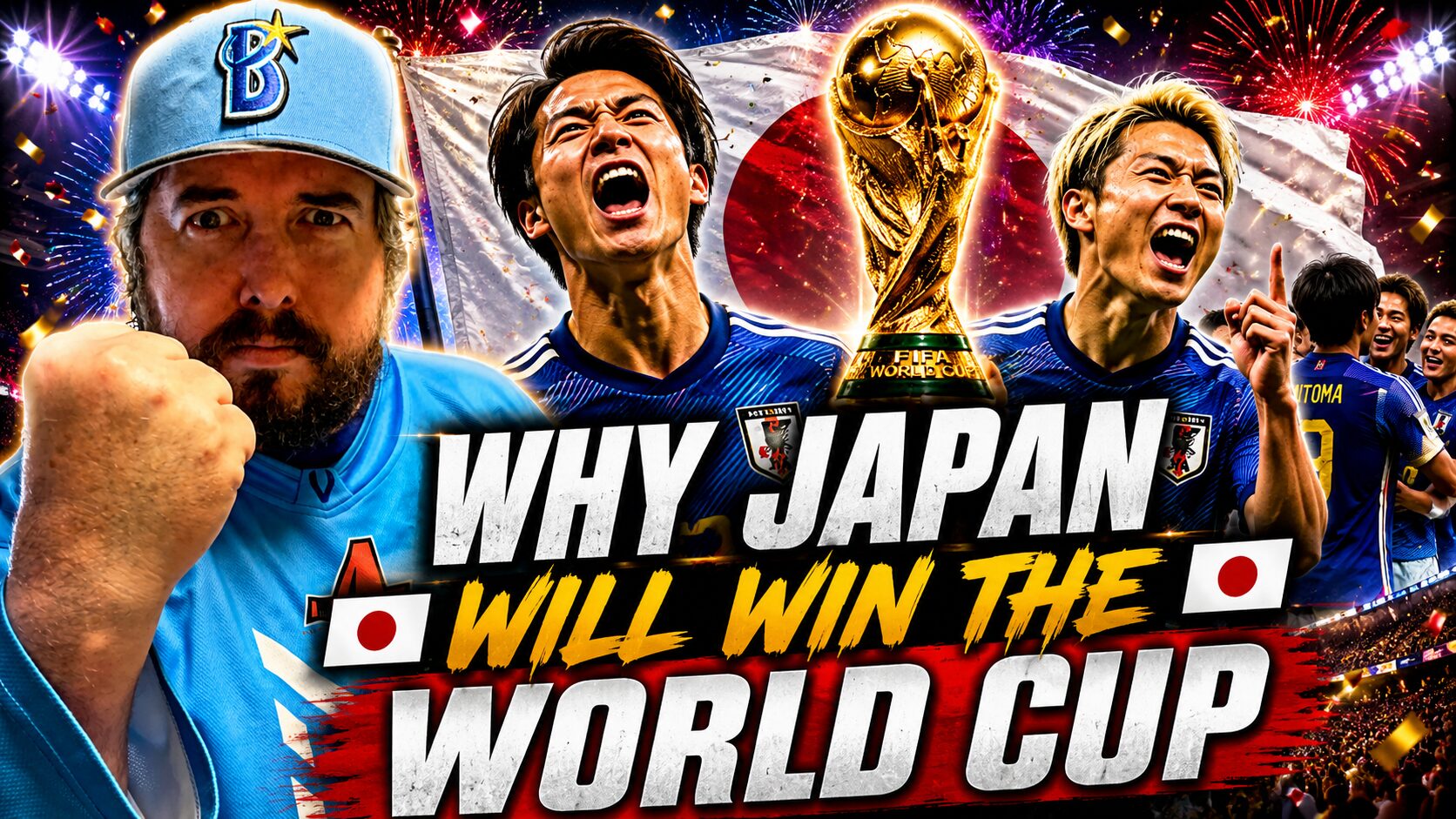
上の動画は、日本がいかにして「サッカー後進国」から「世界と互角に戦えるレベル」へと変貌を遂げたのかを掘り下げています。
その成功の裏にあるのは運でも偶然でもなく、長期にわたる緻密な計画と、規律ある文化、そして意外なことにポップカルチャーの力でした。
📋 100年計画
1992年、日本サッカー協会は「2092年までにワールドカップで優勝する」という長期目標を掲げました(その後、目標年は2050年に前倒しされています)。
この計画の柱となったのが、プロリーグ(Jリーグ)の創設、草の根レベルでの普及活動、そして学校や地域コミュニティへのサッカー文化の浸透です。
📖 マンガが変えた日本サッカー
ポップカルチャーが新しい世代を動かす力は計り知れません。
1981年に連載が始まった『キャプテン翼』は、子どもたちの間にサッカーブームを巻き起こした立役者です。
そして近年では『ブルーロック』が、世界クラスのストライカーを発掘・育成するためのツールとしても注目されています。
🎌 規律という名の文化的DNA
日本サッカーの強さは、日本人が持つ国民性そのものを反映しています。
規律、反復練習、そして基礎を徹底的に磨き上げるという姿勢は、選手たちの戦術的な厳格さにも、試合後にスタジアムをきれいに清掃するサポーターの習慣にも、同じように表れています。
⚽ もはや「番狂わせ」ではない
日本はもう「格下」ではありません。
現在の日本代表はヨーロッパの主要リーグでプレーする選手が中心となり、ドイツ、スペイン、ブラジル、イングランドといった強豪国を破る実力を見せています。
それも運まかせではなく、スピードと効率性を重視した高度な戦術によって実現したものです。
🏆 まとめ
近年のワールドカップではラウンド16(ベスト16)の壁を突破できていない日本ですが、このビデオが伝えたいのは「日本はたまたま勝っているわけではない」ということ。次の世代のワールドカップチャンピオンを、今まさに計画的かつ着実に育て上げている途中なのです。
English ————————————————————————–
Why Japan Will Win the World Cup
The journey is defined by a culture of discipline, strategic development, and the surprising influence of popular culture.
In 1992, the Japan Football Association established a long-term goal to win the World Cup by 2092 (later moved up to 2050).
This involved building a professional league (J.League), grassroots programs, and embedding football into local schools and communities.
Popular culture played a massive role in inspiring new generations.
The manga Captain Tsubasa (1981) was instrumental in making football popular among children, while Blue Lock has recently been used as a tool to help scout and develop world-class strikers.
Cultural Discipline:
Japanese football success mirrors national values—discipline, repetition, and a commitment to mastering the basics.
This is evident in everything from the players’ tactical rigor to the fans’ famous habit of cleaning stadiums after matches.
Japan is no longer an underdog. The team now features a squad primarily based in Europe’s top leagues and has demonstrated the ability to defeat major powers like Germany, Spain, Brazil, and England by utilizing efficient, high-speed tactical setups.