<< English entry below >>
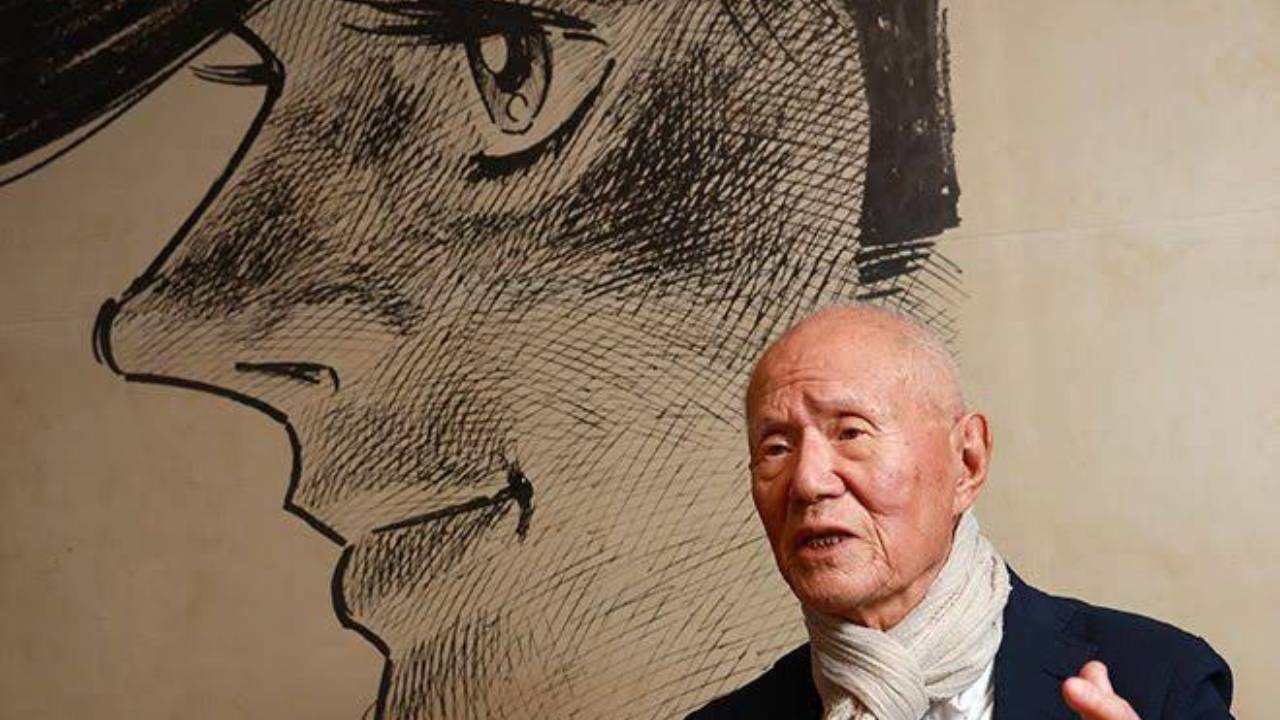
『あしたのジョー』のちばてつやさん、87歳で死去 ― 漫画家として初めて文化勲章を受章
ボクシング漫画の金字塔『あしたのジョー』を手がけたちばてつやさんが、2026年10月22日、東京都内の病院で亡くなりました。
87歳でした。講談社と小学館が、10月27日に発表しています。
ちばさんは2024年、漫画家として初めて文化勲章を受章しました。
文化勲章は、日本の文化の発展に貢献した人に贈られる、国内で最も権威ある栄誉の1つです。
2022年には、漫画家として初めて日本芸術院の会員にも選ばれた1人でした。
Manga Titan Tetsuya Chiba Dies At 87 | WION News
戦争と漫画とともに歩んだ人生
ちばさんは1939年1月11日に東京で生まれ、幼少期の多くを、日本の支配下にあった満州で過ごしました。
終戦後の1945年から46年の混乱の中で、家族とともに日本へ引き揚げています。
こうした故郷を離れた経験、苦労、戦後の復興は、のちの作品づくりに大きな影響を与えました。
1956年、17歳でプロデビューしました。
最初は少女漫画を描いていましたが、やがて少年漫画やスポーツ漫画へと軸足を移します。
約70年に及ぶキャリアの中で、現代のスポーツ漫画というジャンルを築いた中心人物の1人として知られるようになりました。
『あしたのジョー』以外にも、多くの作品を手がけています。
小学館漫画賞を受賞した相撲漫画『のたり松太郎』(青年誌で長く連載)、剣道を題材にした『おれは鉄平』、ゴルフ漫画『あした天気になあれ』、そして晩年の自伝的エッセイ漫画『ひねもすのたり日記』などが代表作です。『ひねもすのたり日記』は、体調不良のため、2026年9月に休載するまで描き続けていました。
また、長年にわたって日本漫画家協会の理事長を務め、若い作家を育てながら、漫画の地位向上にも力を注ぎました。
Joe Yabuki vs José Mendoza [ AMV ] – Ashita no Joe 2 [ Tomorrow’s Joe / Rocky Joe ] – Burning Heart
『あしたのジョー』 ― 社会現象になった漫画
『あしたのジョー』は、1968年から1973年にかけて、講談社の「週刊少年マガジン」で連載されました。
原作は高森朝雄(梶原一騎のペンネーム)、作画がちばさんです。
主人公は、東京・山谷のドヤ街で育った、荒っぽい孤児の少年、矢吹丈。
ふとした出会いから、落ちぶれた元トレーナーの丹下段平に導かれ、ボクシングの世界へ足を踏み入れます。
物語は、アマチュアからプロへの階段を駆け上がる姿、少年院で出会ったストイックなボクサー、力石徹との激しいライバル関係、そしてボクシングという競技が体と心に求める代償を描いています。
累計発行部数は、約2000万〜2500万部といわれます。
一般的な少年漫画の読者をはるかに超えて、支持を集めました。
1960年代後半から70年代前半にかけては、働く人たちや、政治活動に熱心だった学生たちが、ジョーの反骨心と粘り強さに、自分たちの闘いを重ねたのです。
作中で力石が亡くなったときには、ファンが実際に葬儀を開き、数百人が参列して、僧侶による法要まで行われました。
この漫画が人々の心をつかんでいたことを示す、驚くべき出来事です。
この作品は、複数のテレビアニメや映画になりました。
1970年代のテレビ版(出崎統さんが演出の一部を担当)は、特に大きな影響を与えています。
ほかにも、舞台化や、近未来を舞台にした再解釈の『メガロボックス』などが生まれました。
作品の表現、試合の演出、そして逆境に立ち向かう主人公の姿は、今も漫画やアニメ、さらには欧米のメディアにまで響き続けています。
ちばさんの絵は、この物語に生々しい感情の力を与えました。
表情の豊かさ、躍動感のある試合の場面、そして人が暮らしている実感のある、荒々しい戦後の東京の背景です。
最後の試合を終えたジョーの姿は、漫画の歴史の中でも屈指の象徴的なコマとして、今も語り継がれています。
Joe Yabuki vs Toru Rikiishi [ AMV ] – Ashita no Joe [ Tomorrow’s Joe / Rocky Joe ] – The Awakening
受け継がれていくもの
ちばさんは、文化勲章を受章したとき、この栄誉は自分の作品だけでなく、漫画家という仕事全体への評価だと誇りに思う、と語りました。
日本における漫画の地位を高める一歩になったと受け止めていたようです。
戦後の復興期に始まり、2020年代まで続いた、見事なキャリアが幕を閉じました。
多くの世代の読者にとって、『あしたのジョー』は、単なるスポーツ漫画ではありませんでした。
急速に変わっていく社会の中で、立ち直る力、犠牲、そして生きる意味を探し求める姿を描いた作品です。
スポーツで物語を紡ぐことが、どこまでできるのかを、その絵で示した先駆者を、漫画界は失いました。
それでも、彼が生み出したキャラクターたちと、彼らが体現した「あした」の精神は、今も確かに生き続けています。
Joe Yabuki Cries for the first time [Ashita no Joe]
あれだけのことを経験したジョー・矢吹が、ついに心を揺さぶられます。
きっかけは敗北ではなく、もっと慣れない感情、「居場所」でした。
物語の最初から、ジョーは野良犬のようにふるまっていました。
口笛を吹きながら、あてもなくさまよい、誰にも縛られず、帰る場所も、待っている人もいません。
その孤独な漂流こそが、彼という人間を形づくっていました。
ただ生き延びていただけでなく、何ものにも本当に届かないかのように、どこか心が離れていたのです。
ところが、少年院を出て、ボクシングの世界に足を踏み入れたばかりの頃に、何かが変わります。
ドヤ街で、笑い声、安い酒、見返りを求めない人たちに囲まれて、ジョーは本物のつながりに引き込まれていきます。
そこには、取りつくろいも、見せかけもありません。
ただ、受け入れてくれる人たちがいるだけです。
生まれて初めて、彼は漂っているのではなく、1人でもなく、自分の居場所を見つけたのです。
だからこそ、彼は泣いてしまいます。
口笛はやみ、野良犬はようやく休める場所を見つけて、すがれるものを手に入れました。
感情があふれたジョーは、涙を流します。
痛みのせいではありません。
生まれて初めて、生きる理由ができたからです。
これは世代を超えて愛され続ける漫画
The Victims of Joe Yabuki & Their Tragic Fate – Ashita No Joe
デイブ・ココの想い
ちばてつやさんは、スポーツ漫画とボクシングの物語を切り開いた先駆者として、これからも語り継がれるはずです。
みなさんがこれまでに夢中になったスポーツ漫画があるなら、それは、ちばさんが切り開いた道の先に生まれた作品だと、僕は思います。
作品は、永遠に生き続けます。
仕事に向き合う姿勢と創造力は、ファンやアーティスト、作家たちから、ずっと尊敬され続けるでしょう。
I Burned My Fire Until There Was Nothing Left
English ————————
Tetsuya Chiba, Creator of ‘Ashita no Joe,’ Passes Away at 87 — The First Manga Artist to Receive Japan’s Order of Culture
Tetsuya Chiba, the artist behind the landmark boxing series Ashita no Joe (also known as Tomorrow’s Joe or Ashita no Joe: Fighting for Tomorrow), died on October 22, 2026, at a hospital in Tokyo.
He was 87. Publishers Kodansha and Shogakukan announced the news on October 27.
In 2024 he became the first manga artist ever awarded the Order of Culture, one of Japan’s highest honors for contributions to the nation’s cultural life.
In 2022, he was among the first manga creators named to the Japan Art Academy.
Manga Titan Tetsuya Chiba Dies At 87 | WION News
A Life Shaped by War and Manga
Born on January 11, 1939, in Tokyo, Chiba spent much of his early childhood in Japanese-occupied Manchuria.
His family returned to Japan after the war amid the chaos of 1945–46.
Those experiences of displacement, hardship, and postwar recovery later informed his storytelling.
He made his professional debut in 1956 at age 17 and initially worked on girls’ comics before shifting toward boys’ and sports manga.
Over a career spanning roughly seven decades he became known as one of the leading architects of the modern sports-manga genre.
Beyond “Ashita no Joe,” Chiba created or illustrated numerous other series.
Notable works include the sumo manga Notari Matsutarō (a long-running seinen series that earned him a Shogakukan Manga Award), the kendo-focused Ore wa Teppei, the golf series Ashita Tenki ni Naare, and the late-career autobiographical essay manga Hinemosu Notari Nikki, which he continued until health issues forced a hiatus in September 2026.
He also served for years as president of the Japan Cartoonists Association, mentoring younger creators and advocating for the medium.
Joe Yabuki vs José Mendoza [ AMV ] – Ashita no Joe 2 [ Tomorrow’s Joe / Rocky Joe ] – Burning Heart
Ashita no Joe: The Manga That Became a Cultural Force
Serialized in Kodansha’s Weekly Shōnen Magazine from 1968 to 1973 (written by Asao Takamori, the pen name of Ikki Kajiwara, with art by Chiba), Ashita no Joe follows Joe Yabuki, a rough, orphaned street kid from Tokyo’s San’ya slums.
After a chance meeting with the washed-up former trainer Danpei Tange, Joe is drawn into boxing.
The story tracks his rise through amateur and professional ranks, his intense rivalry with the disciplined boxer Tōru Rikiishi (especially during their time in a juvenile facility), and the physical and emotional costs of the sport.
The series sold around 20–25 million copies and resonated far beyond typical shōnen readership.
Working-class readers and politically active students of the late 1960s and early 1970s saw reflections of their own struggles in Joe’s defiance and perseverance.
When Rikiishi died in the story, fans organized a real mock funeral attended by hundreds, complete with a Buddhist ceremony—an extraordinary demonstration of the manga’s hold on the public imagination.
The series has been adapted into multiple anime series and films (including the influential 1970s television version directed in part by Osamu Dezaki), stage productions, and later works such as the futuristic reimagining Megalo Box.
Its visual language, fight choreography, and themes of underdog determination continue to echo across manga, anime, and even Western media.
Chiba’s art gave the story its raw emotional power: expressive faces, dynamic fight sequences, and a gritty postwar Tokyo backdrop that felt lived-in.
The final image of Joe after his last bout remains one of the most iconic panels in manga history.
Joe Yabuki vs Toru Rikiishi [ AMV ] – Ashita no Joe [ Tomorrow’s Joe / Rocky Joe ] – The Awakening
An Enduring Legacy
Upon receiving the Order of Culture, Chiba expressed pride that the honor recognized not only his own work but the broader craft of manga creators, helping elevate the medium’s status in Japan.
His death closes a remarkable career that began in the postwar recovery years and stretched into the 2020s.
For generations of readers, Ashita no Joe was more than a sports story—it was a portrait of resilience, sacrifice, and the search for meaning in a rapidly changing society.
The manga world has lost a pioneer whose drawings helped define what sports storytelling could achieve.
His characters, and the spirit of “tomorrow” they embodied, remain very much alive.
Joe Yabuki Cries for the first time [Ashita no Joe]
After everything he’s been through, Joe Yabuki finally cracks—not from defeat, but from something far more unfamiliar: belonging.
From the very beginning, Joe carried himself like a stray dog—whistling as he wandered, aimless, untethered, with nowhere to go and no one to return to.
That lonely drift defined him. He wasn’t just surviving—he was detached, like nothing could ever truly reach him.
But now, fresh out of juvenile detention and stepping into the early stages of his boxing life, something changes.
In the slums—among laughter, cheap drinks, and people who ask nothing of him—Joe finds himself pulled into something real.
There’s no pretense here. Just acceptance.
For the first time, he isn’t drifting.
He’s not alone. He belongs.
And that’s what breaks him.
The whistling stops.
The stray dog has finally found somewhere to rest—something to hold onto.
Overcome with emotion, Joe cries—not out of pain, but because, for the first time in his life, he has something to live for.
A Manga that Inspired a GENERATION in Japan
The Victims of Joe Yabuki & Their Tragic Fate – Ashita No Joe
Dave Koco’s Thoughts
Tetsuya Chiba, will be remembered as a pioneer of sports mangas and boxing stories.
If there are any sports mangas you fell in love with over the years he was the one who blazed a trail for those who followed.
His work will live on forever.
He will be admired by fans, artists, and writers for his work ethic and creativity.
I Burned My Fire Until There Was Nothing Left