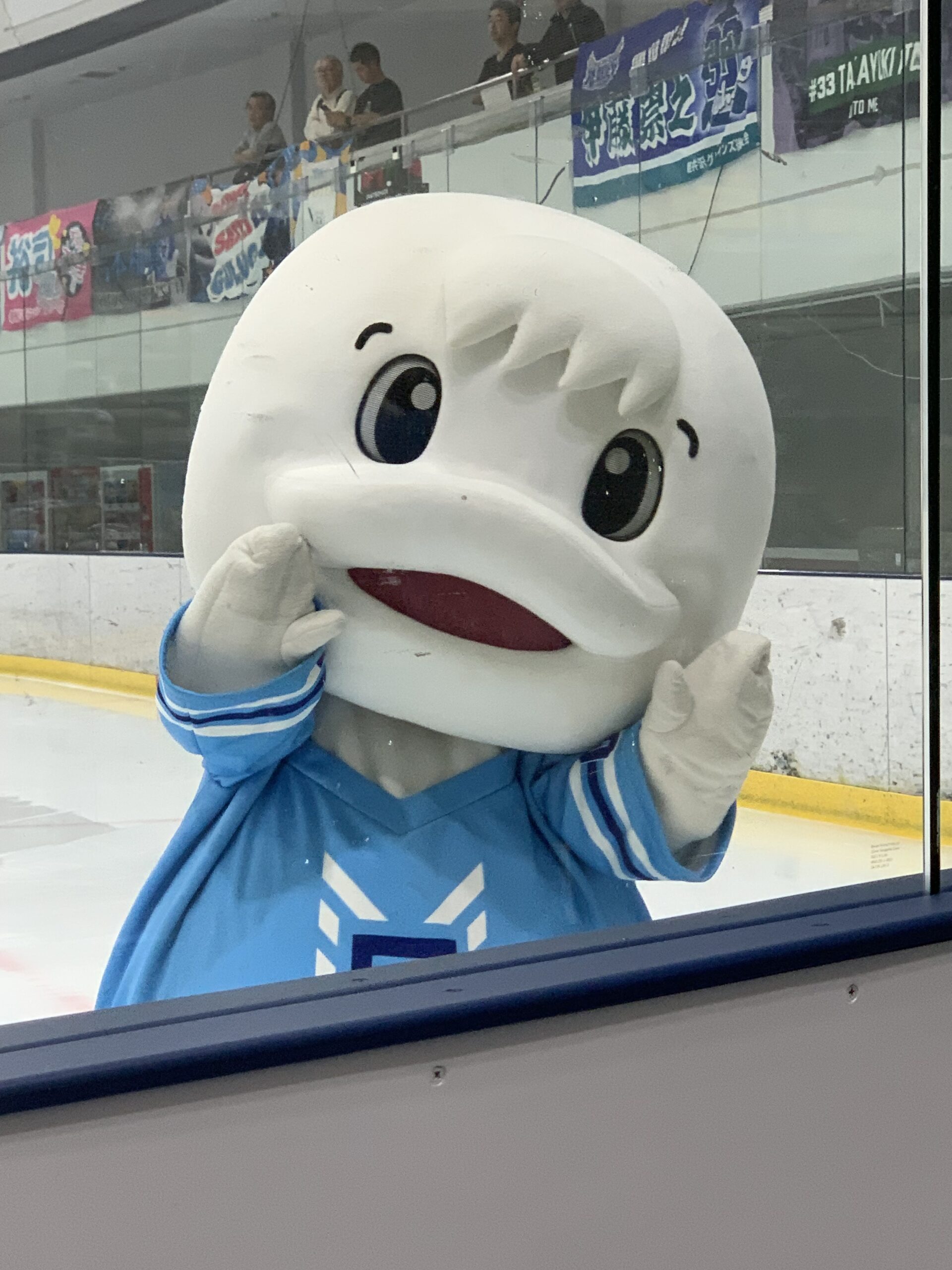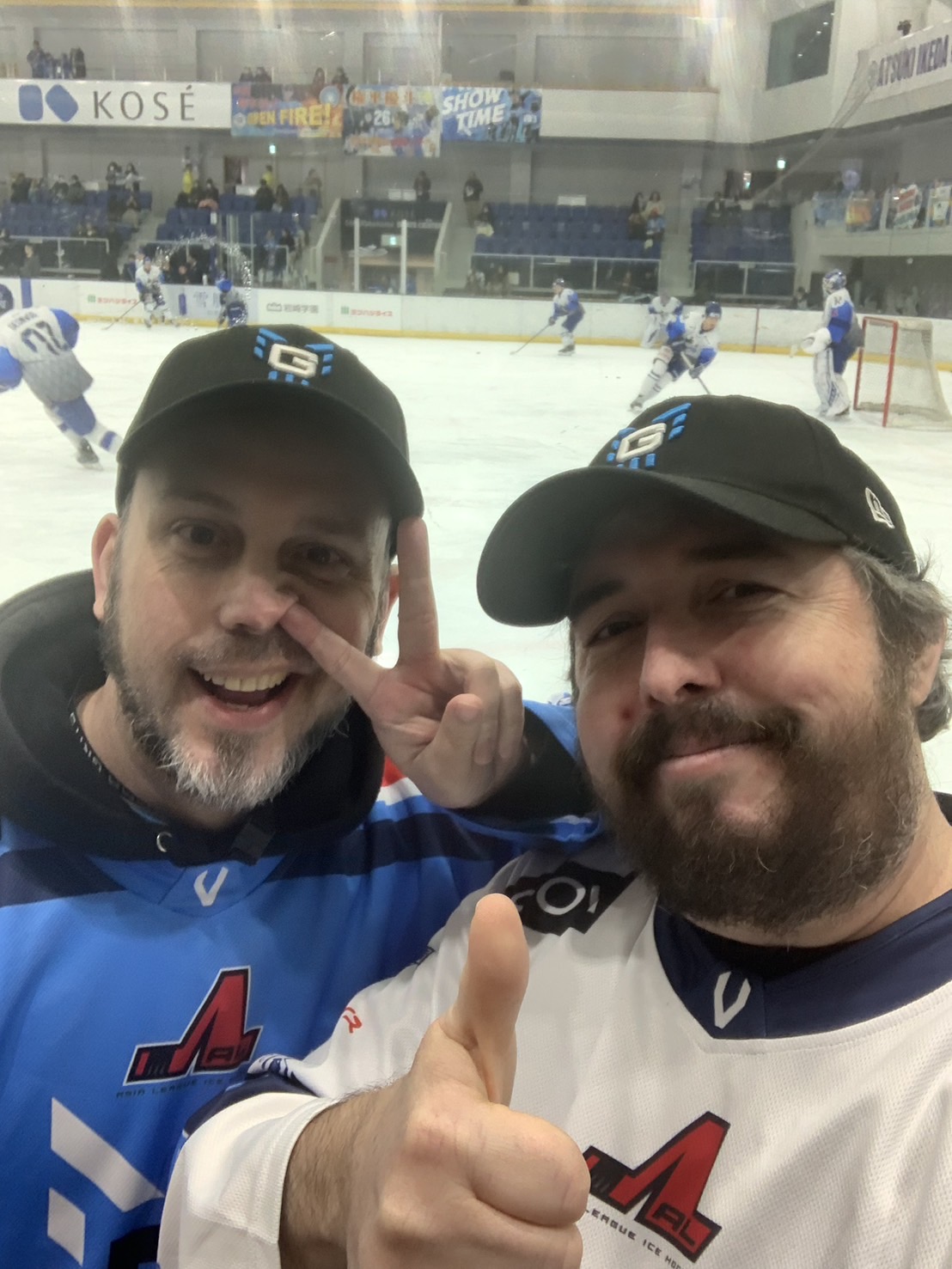
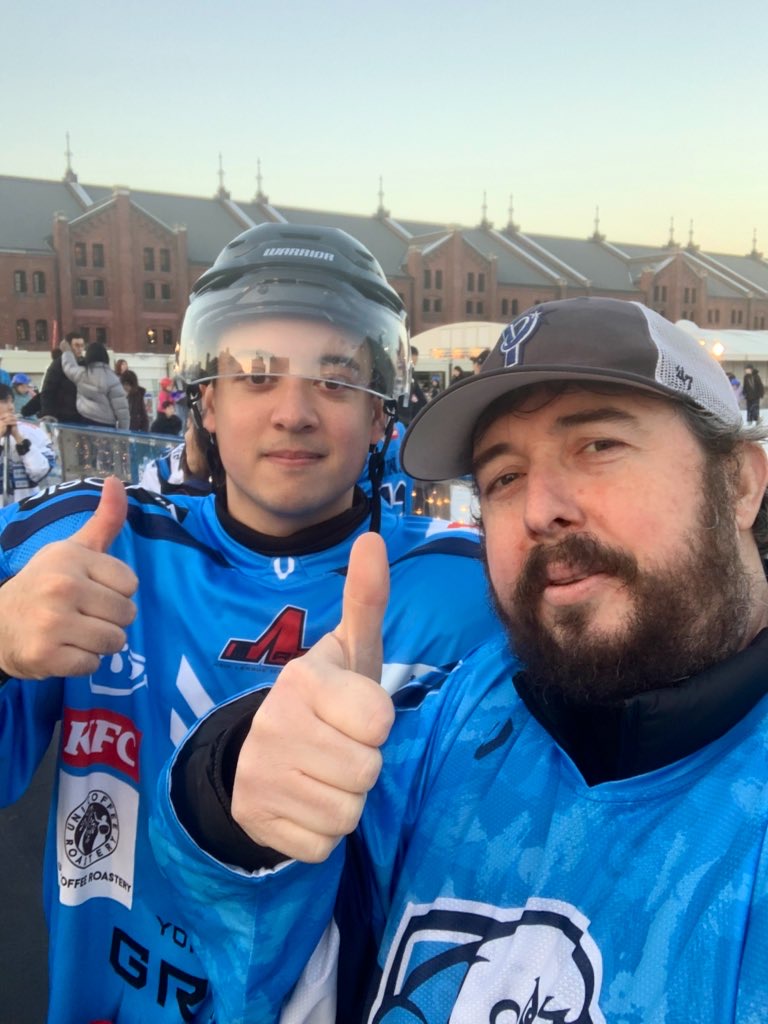
<< English entry below >>
ロックウェル選手との対談インタビューが実現!
今回のインタビューでは、KocoSportsとKocoHama.comのデイブ・ココが、横浜グリッツホッケーチームのディフェンス、タイラー・ロックウェル選手にインタビューを行いました!
主なポイントを紹介
タイラー・ロックウェル選手の日本での経験:
ロックウェル選手は、幼い頃から日本の友人や家族と過ごし、長年日本に住みたいと願っていたことを語ります。
特に日本の食と文化が大好きだそうです。
横浜グリッツのシーズンとプレーオフ進出への道のりについて:
チームは好調なシーズンを送っており、チーム創設6年の歴史の中で最もプレーオフ進出に迫っています。
ロックウェル選手は、重要な試合を戦うことの喜びを強調し、特に東北との次の試合はプレーオフ進出を決定づける重要な試合になると考えています。
新チームの構築と劣勢チームとしての立場:
ロックウェル選手はフランスでの経験と同様に、新チームの構築と新境地を開拓することを楽しく感じているそうです。
彼は現在のチームとマルセイユ時代の古巣との類似点を指摘し、チームの雰囲気が、書類上は「劣勢・負けそうな立場」であっても、それを克服できると信じています。
チームの士気:
選手たち、特にラウター選手(グリッツ在籍4年目)のようなベテラン選手たちは、チームの将来性とプレーオフ出場への期待にとてもワクワクしているとのこと。
グリッツが弱いチームであると見られる要因とデュアルキャリアについて:
ロックウェル選手は、グリッツがリーグ上劣勢と見なされる理由をいくつか説明します。
例えば、①新しいチームであること、②東京ではホッケーが他の地域に比べてマイナースポーツであること、③そして独自の「デュアルキャリア」モデルを挙げました。
このシステムでは、選手はホッケーに加えてフルタイムの仕事を持つことが求められ、収入を補うとともに、ホッケー引退後のキャリア移行を容易にする可能性を述べます。
これは一部の選手の将来性を阻む一方で、ホッケー引退後のキャリアの安定を求めるベテラン選手を惹きつけていることを語ります。
ホッケーのライブ観戦 vs. テレビ:
ロックウェル選手とデイブは、ホッケーはライブで観るのが一番だと意見の一致を語り合いました。
テレビでは、試合のスピード、打撃の激しさ、そして音まで伝わらないからです。
2人とも、新しいファンをアリーナに呼び込み、直接体験してもらうことの難しさと重要性を強調します。
横浜グリッツでの将来:
ロックウェル選手はグリッツでのプレーへの愛を語り、グリッツの文化、食べ物、そして特にチームメイトを称賛しました。
契約は1年契約であること、そして素晴らしい経験ができたのでぜひ戻りたいと話します。
パートナーがいることと、その人のサポートの重要性:
ロックウェル選手は、妻のフランキーが日本に一緒にいることで、特に海外在住の選手にとって日本での生活がはるかに楽になり、孤独感も軽減されると強調しています。
また一緒に日本を探索したり、フランキーが他の選手の妻やパートナー達と交流したりすることもできる点が良いと語ってくれました。
アジアリーグの競技レベル:
直接的な比較は難しいとしながらも、アジアリーグはECHLのようなリーグに比べるとフィジカル面や選手層は薄いものの、スケーティングやスキルレベルはトップからボトムまで非常に高いと指摘。
アジアリーグのトップ選手はECHLでも活躍できる可能性があり、リーグのプレーレベルは北米のPHLとECHLの中間くらいだとロックウェル選手は考えています。
対談動画はこちら
お話しできて、楽しかったです!
ありがとうございました。
English ————————————————-
In this interview, Dave Koco of KocoSports and KocoHama.com sits down with Tyler Rockwell, a defenseman for the Yokohama Grits ice hockey team.
Here’s a breakdown of the key points:
Tyler’s Experience in Japan :
Tyler expresses his long-time desire to live in Japan, influenced by his Japanese friends and family growing up.
He particularly loves the food and the culture.
Yokohama Grits Season and Playoff Push:
The team is having a strong season, making their closest push for the playoffs in the team’s six-year history.
Tyler highlights the excitement of playing meaningful games, with an upcoming match against Tohoku being crucial for securing a playoff spot.
Building a New Team & Underdog Status:
Tyler discusses the fun of building a new team and breaking new ground, similar to his experience in France where his team also made the playoffs for the first time.
He notes the similarities between his current team and his former one in Marseille, emphasizing that team chemistry can overcome being an “underdog” on paper.
Team Morale:
The players, especially veterans like Alex (in his fourth year with the Grits), are very excited about the team’s prospects and the hope for a playoff berth.
Underdog Factors and Dual Career Model:
Tyler explains several reasons why the Grits are considered underdogs, including being a newer team, hockey being a minor sport in Tokyo compared to other regions, and the unique “dual career” model.
This model requires players to have full-time jobs in addition to playing hockey, which supplements their income and helps them transition after their hockey careers.
While it limits some potential players, it attracts older veterans looking for post-hockey career stability.
Hockey Live vs. Television:
Both Tyler and Dave agree that hockey is best experienced live, as television doesn’t convey the speed, intensity of hits, and sounds of the game.
They emphasize the challenge and importance of getting new fans into the arena to experience it firsthand.
Future with the Grits:
Tyler expresses his love for playing with the Grits, praising the culture, food, and especially his teammates.
He mentions that contracts are one-year agreements, and he would love to return given the amazing experience.
Importance of Partner Support:
Tyler highlights how having his wife, Frankie, with him in Japan makes the experience significantly easier and less lonely, especially for players living abroad.
It also allows them to explore Japan together and for Frankie to connect with other players’ wives and girlfriends.
Tyler finds it challenging to give a direct comparison but notes that the Asia League has less physicality and size compared to leagues like the ECHL, but the skating and skill level from top to bottom are very high.
He suggests that the top players in the Asia League could succeed in the ECHL, and generally compares the league’s level of play to somewhere between the PHL and ECHL in North America.